

Pool resurfacing is the process of removing or repairing the worn interior layer of a swimming pool and applying a new finish to restore its appearance and performance. Over time, constant water exposure, chemical use, and sun exposure cause pool surfaces to discolor, crack, or feel rough underfoot. Resurfacing addresses these issues at their source rather than masking them with short-term fixes.
Unlike cosmetic touch-ups, resurfacing creates a new protective layer that directly affects comfort, durability, and water quality. A properly resurfaced pool feels smoother, looks cleaner, and becomes easier to maintain. For homeowners in Southern California, where pools are used year-round, this upgrade plays a critical role in extending the life of the structure while keeping it visually appealing.
Resurfacing also allows homeowners to update the look of their pool. Whether transitioning from an outdated plaster finish to exposed aggregate or adding subtle color variation, resurfacing gives you control over how your pool fits into the overall backyard design.
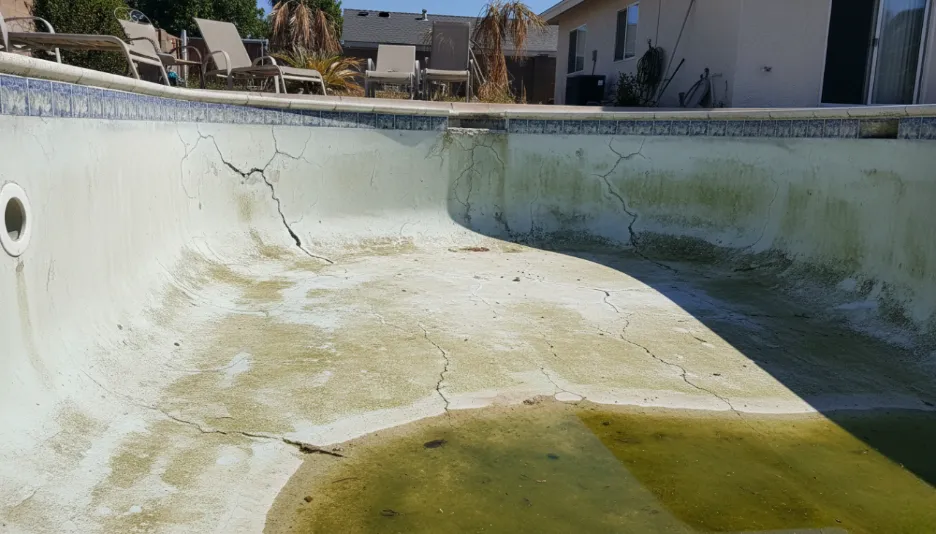
Signs Your Pool Surface Needs Attention
Many pool owners delay resurfacing because damage often develops gradually. Small changes may seem harmless at first, but they typically signal deeper wear that will worsen over time.
Common warning signs include visible staining that no number of brushing removes, rough patches that scrape skin or swimsuits, hairline cracks, or areas where the surface appears thin or uneven. In some cases, you may notice increased chemical usage or difficulty maintaining balanced water, as worn surfaces can harbor algae and bacteria.
In coastal and inland Southern California climates alike, mineral buildup and sun exposure accelerate surface breakdown. If your pool is more than ten years old and has never been refinished, it is likely approaching the point where resurfacing becomes necessary to avoid structural damage or costly repairs.
Popular Pool Finish Options and Their Benefits
Choosing the right finish is one of the most important decisions in the resurfacing process. Each option offers a different balance of appearance, longevity, and feeling.
Traditional plaster remains a popular choice for its smooth texture and clean look, though it typically has a shorter lifespan. Aggregate finishes, which blend plaster with quartz or pebble materials, provide improved durability and a more natural appearance. These finishes resist staining and hold up better against heavy use.
Tile and polished finishes are often selected for high-end pools, offering a sleek aesthetic and exceptional longevity. While they require a higher upfront investment, they can significantly enhance property value and reduce long-term maintenance concerns.
Your choice should reflect how often the pool is used, the desired look, and long-term maintenance expectations, especially in regions where pools remain active throughout the year.

The Resurfacing Process Step by Step
Understanding the resurfacing process helps set realistic expectations and ensures smoother project planning. The process typically begins with draining the pool and removing the existing surface layer using specialized equipment.
Once the old material is removed, the underlying structure is inspected for cracks or damage. Any necessary repairs are completed before the new finish is applied. The selected surface material is then carefully installed, smoothed, and cured to ensure proper bonding and durability.
After resurfacing, the pool is refilled and balanced according to the finish type. Proper startup procedures are essential, as they influence the longevity and appearance of the new surface. Working with experienced professionals ensures that each stage is handled correctly and that the finished result performs as intended.
How Resurfacing Improves Longevity and Safe
Beyond aesthetics, resurfacing plays a major role in safety and structural protection. A deteriorating surface can expose sharp edges, create slip hazards, and allow water to penetrate areas it should not reach.
A new surface creates a sealed barrier that protects the pool shell from erosion and chemical damage. This reduces the likelihood of leaks and structural issues that can be costly to repair. Smooth, properly finished surfaces are also gentler on skin and safer for children and guests.
In regions with high sun exposure, modern finishes are designed to resist fading and heat absorption, improving comfort while extending the usable life of the pool.
The Resurfacing Process Step by Step
Understanding the resurfacing process helps set realistic expectations and ensures smoother project planning. The process typically begins with draining the pool and removing the existing surface layer using specialized equipment.
Once the old material is removed, the underlying structure is inspected for cracks or damage. Any necessary repairs are completed before the new finish is applied. The selected surface material is then carefully installed, smoothed, and cured to ensure proper bonding and durability.
After resurfacing, the pool is refilled and balanced according to the finish type. Proper startup procedures are essential, as they influence the longevity and appearance of the new surface. Working with experienced professionals ensures that each stage is handled correctly and that the finished result performs as intended.
How Resurfacing Improves Longevity and Safe
Beyond aesthetics, resurfacing plays a major role in safety and structural protection. A deteriorating surface can expose sharp edges, create slip hazards, and allow water to penetrate areas it should not reach.
A new surface creates a sealed barrier that protects the pool shell from erosion and chemical damage. This reduces the likelihood of leaks and structural issues that can be costly to repair. Smooth, properly finished surfaces are also gentler on skin and safer for children and guests.
In regions with high sun exposure, modern finishes are designed to resist fading and heat absorption, improving comfort while extending the usable life of the pool.
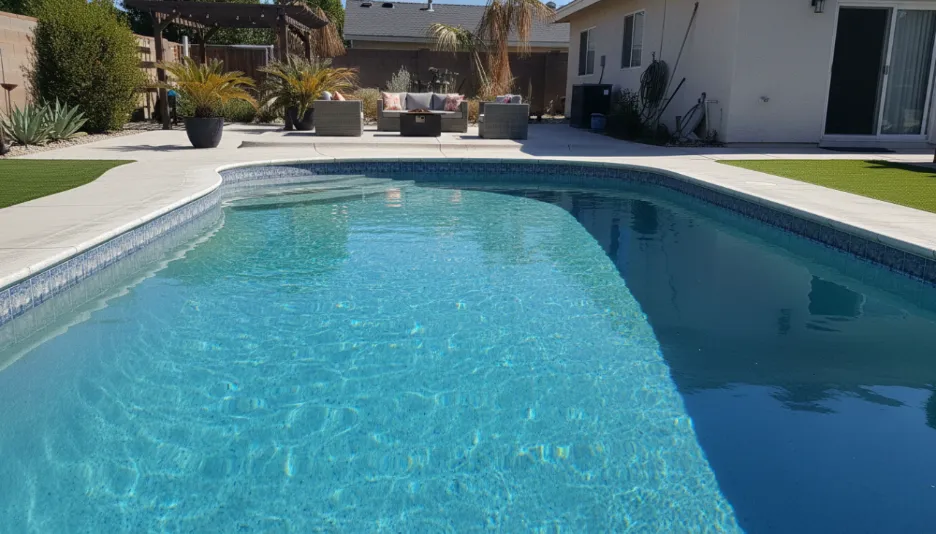
Planning a Resurfacing Project in Southern California
Timing and preparation are key when planning a resurfacing project. Many homeowners schedule work during cooler months or periods of lower pool use to minimize disruption. Planning ahead also allows time to select finishes, review maintenance requirements, and align the project with other backyard upgrades.
Local climate conditions influence curing times and material performance, making it essential to work with contractors familiar with regional factors. A well-planned resurfacing project not only refreshes the pool but enhances the entire outdoor living space.
When done correctly, resurfacing is an investment that improves usability, reduces maintenance stress, and restores pride in your backyard for years to come.
Schedule Your Free Pool Design Consultation Today
Dreaming of a backyard oasis? Majestic Pools & Spas—San Diego’s award-winning custom pool designer and builder—is here to make it a reality. Schedule your free, no-obligation consultation today and take advantage of our limited-time offer: a complimentary custom pool design when you choose to build with us. Start your journey to a stunning new pool by booking online
Majestic Pools & Spas (Visit our showroom)
- Address: 9951 Businesspark Ave Suite A, San Diego, CA 92131
- Phone: +1 858-790-9919
- website: https://www.majesticpools.net/

